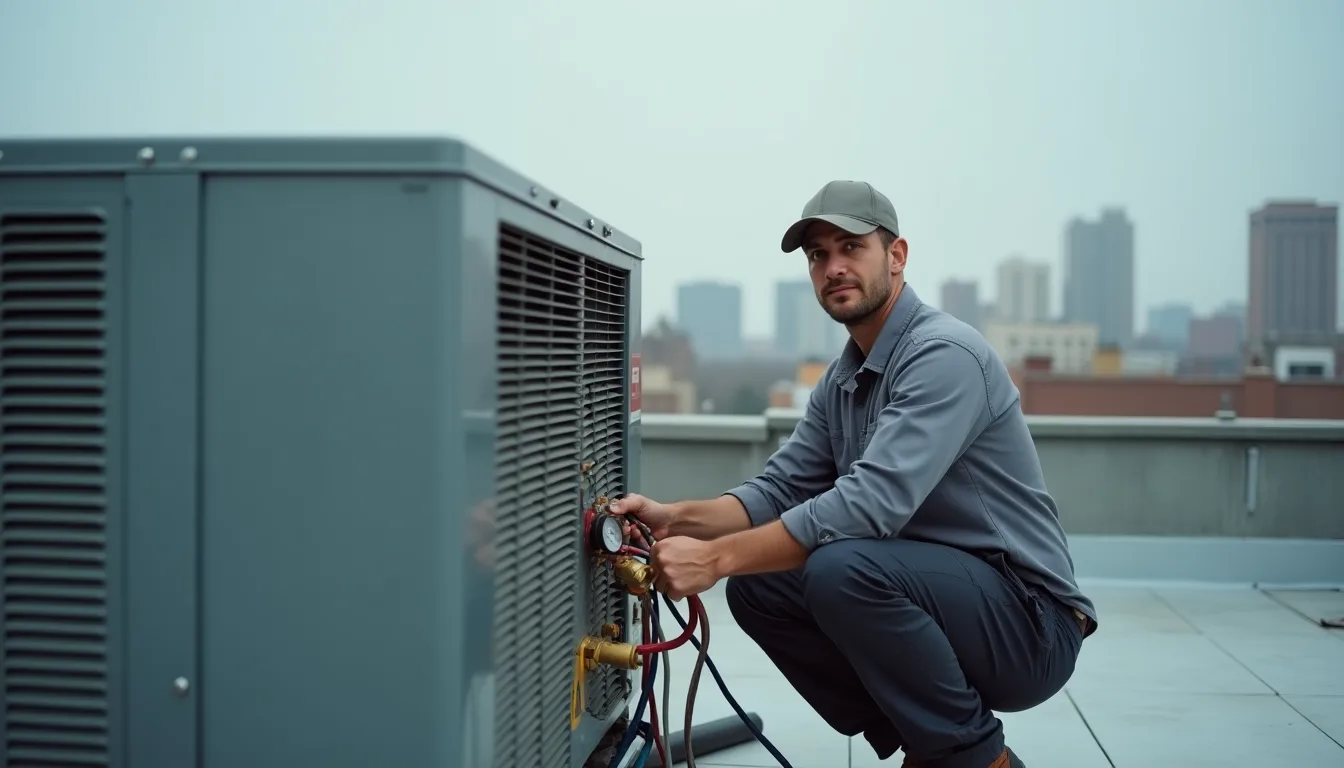
7 Things Your Austin HVAC Technician Wishes You Knew
Published: 2026-04-26 · By ProHVAC AC Repair & Heating
As the summer sun blazes over Austin, understanding your HVAC system can make a world of difference. Imagine coming home after a sweltering day, only to realize your air conditioner is struggling to keep up with the heat. The frustration of a malfunctioning AC can turn a relaxing evening into a sweat-drenched ordeal. With extreme heat and high humidity becoming the norm, these scenarios are more common than you might think. Here are insights from your local HVAC technician that could save you both discomfort and dollars.
Why This Matters for Austin Homeowners
For homeowners in Austin, a well-functioning HVAC system is essential. The local climate, characterized by relentless heat and humidity, places an extraordinary demand on air conditioning units. Unfortunately, many residents neglect regular maintenance, leading to breakdowns at the worst possible times. The severe thunderstorms and potential hail during hurricane season add an extra layer of concern, as such weather can damage outdoor units and exacerbate existing issues.
Furthermore, the clay soil prevalent in Austin causes foundation problems due to its natural expansion and contraction with moisture fluctuations. This not only affects your property's stability but can also impact the efficiency of your HVAC system. Being proactive could mean the difference between a minor tune-up and a costly repair, especially in a city where summer temperatures can soar well above 100°F.
Every Austin home is at risk during these peak seasons, and understanding the nuances of your HVAC system can prepare you for when disaster strikes.
Expert Solutions & Actionable Tips
1. Regular Filter Changes Are Non-Negotiable
Your HVAC system relies heavily on clean air filters to function effectively. In an environment like Austin, where dust and pollen are rampant, changing your filters every 1-3 months is crucial. Neglecting this can lead to inefficient performance and increased energy costs; expect a waste of around 10-30% on your utility bills. Additionally, professional servicing may be needed more frequently if filters are ignored.
2. Understand Your Thermostat Settings
Programmable thermostats can save you a significant amount on energy costs, up to 10-15%. Set your AC to higher temperatures while you're away. For Austin homeowners, adjusting settings to about 78°F while you're out can lead to noticeable savings. Just remember to account for rising outdoor temperatures, especially during the peak heat of the summer.
3. Watch for Unusual Noises
Operating sounds from your HVAC should be largely constant. If you hear clanging, hissing, or buzzing, it’s time to call in a technician immediately. In Austin's climate, such noises might indicate a failing component or debris damage due to hailstorms, potentially leading to a breakdown if ignored. Addressing these sounds promptly can save you from a more expensive repair later.
4. Seal Your Ducts
Leaky ducts can waste a significant portion of the air produced by your HVAC. In Austin, inefficient duct systems can increase cooling costs dramatically, with estimates of up to 20% of conditioned air escaping due to leaks. Have a professional technician inspect and seal your ductwork to ensure efficiency, which can enhance AC performance and comfort levels at home.
5. Know When to Upgrade
If your system is over ten years old and frequently fails, it's worth considering a replacement. With air conditioners consuming around 6% of all U.S. electricity, upgrading to an energy-efficient unit can significantly decrease your utility costs. This is especially important in Austin, where performance is essential during sweltering months, and energy-saving models can eventually pay for themselves.
6. Invest in Surge Protection
With thunderstorms and hail prevalent during certain times of the year, investing in surge protectors for your HVAC system can safeguard it from power surges and outages that can cause irreparable damage. A reasonable investment starts around $200, potentially saving you thousands in repairs or replacements due to storm-related incidents.
Austin Climate & Local Context
Austin's unique climate demands more from heating and cooling systems than many other regions. The high humidity and temperatures often lead to increased wear and tear. Additionally, the local building stock, primarily built to withstand these elements, requires regular checks to ensure HVAC compatibility, especially in the context of new energy efficiency codes.
Homeowners must also consider permit requirements for installations and extensive repairs. Local codes often dictate specific energy standards that HVAC systems must meet. Failing to comply could lead to fines or costly retrofits down the road, making it crucial to stay informed about local regulations and best practices for HVAC maintenance.
When to Call a Professional
While DIY projects can be rewarding, HVAC repairs often fall outside the realm of manageable home improvement tasks. Certain situations should absolutely call for a professional's expertise.
- Persistent humidity or temperature inconsistencies
- Unusual noises coming from your system
- Foul smells when the system runs
- Thermostat issues that don't resolve
- Frequent tripping of circuit breakers
- Any visible physical damage to the unit or ductwork
In Austin's unpredictable weather, quick responses to these red flags may save you from costly repairs or system replacements, ensuring your home stays comfortable regardless of what Mother Nature throws your way.
Frequently Asked Questions
How often should I have my AC serviced in Austin?
In Austin, it's advisable to service your AC unit at least twice a year, ideally before summer and winter seasons to ensure optimal performance.
What are the signs that my HVAC needs repairs?
Look for unusual sounds, inconsistent temperatures across rooms, and rising energy bills—these often indicate underlying problems.
Can I install my own HVAC system?
While it's technically possible, local building codes in Austin require professional installation for compliance and safety.
What's the average lifespan of an HVAC system?
Typically, HVAC systems last around 15-20 years, but this can vary based on maintenance and local environmental factors.
What should I do in case of a major storm or hurricane?
Before a storm, secure outdoor units and shut them down if possible. Afterward, have a professional check for damage, especially before the sweltering summer months.
Get Expert HVAC Service in Austin
Don't leave your comfort to chance this summer. Call (737) 316-5407 for professional assistance from ProHVAC AC Repair & Heating. We’re dedicated to keeping your Austin home comfortable year-round, so reach out today for an inspection or service!
Improper maintenance during our scorching summer can lead to costly repairs, so let ProHVAC help you ensure your system is up to the challenge of Austin's climate.