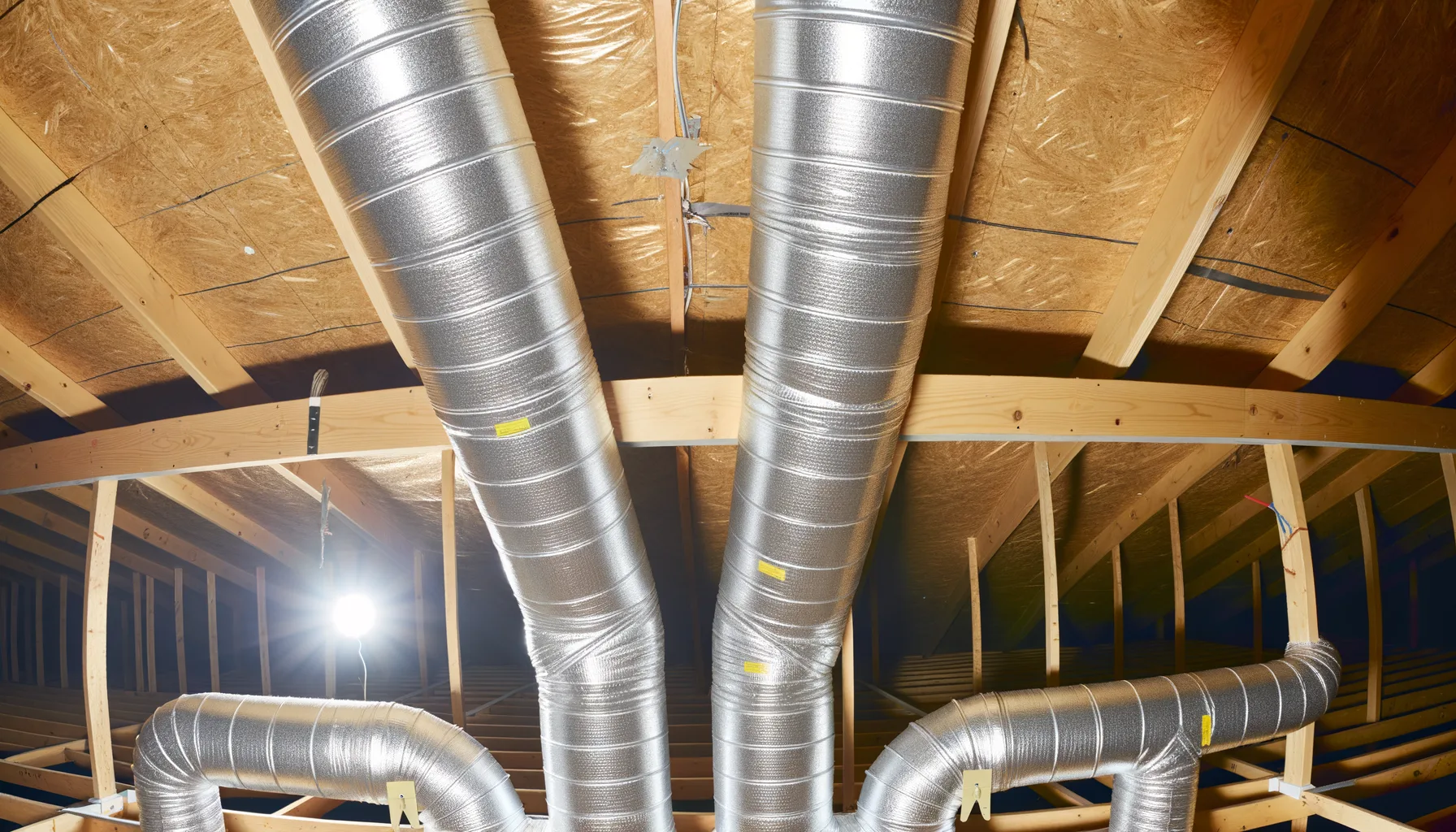
Understanding Heat Load Calculations for Austin Homes
Published: 2026-04-26 · By ProHVAC AC Repair & Heating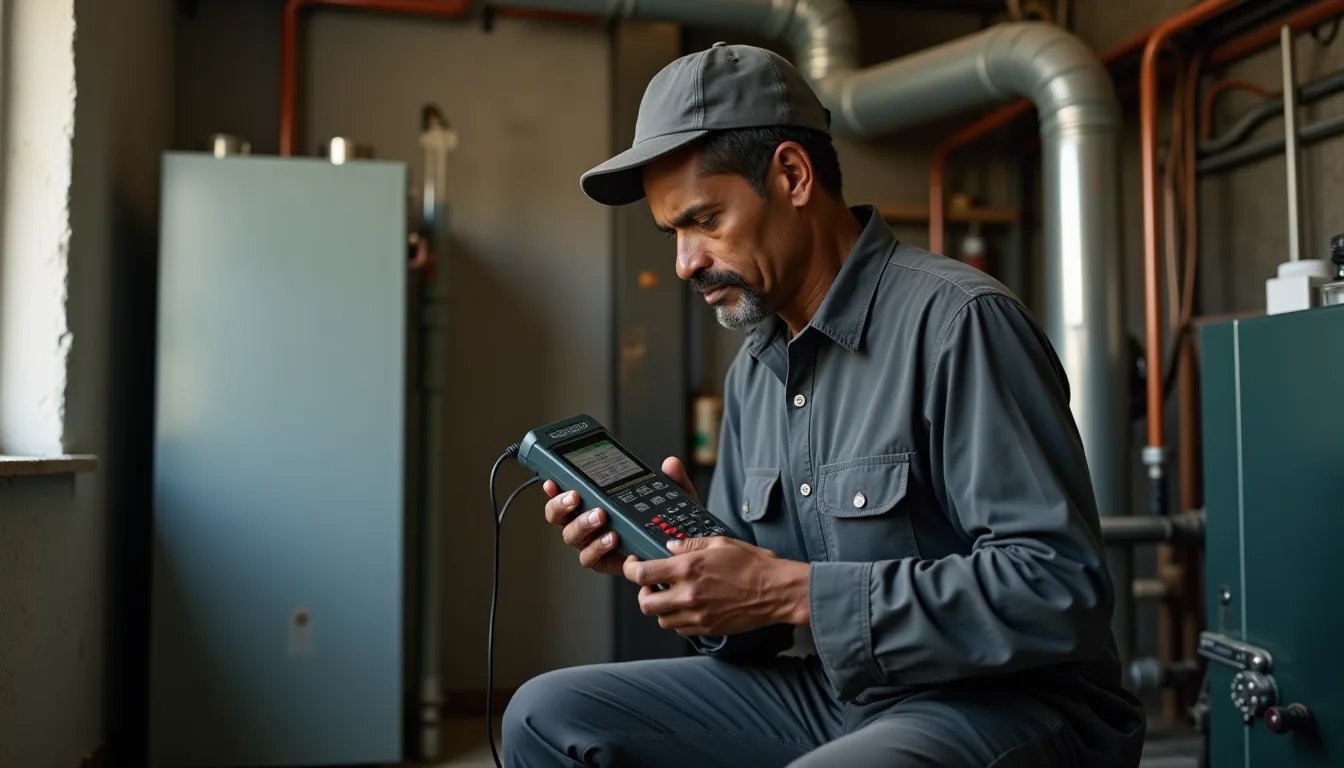
As a homeowner in Austin, you know all too well how the relentless summer heat can transform your living space into a sauna. With sweltering temperatures often soaring above 100°F, ensuring your air conditioning system can handle the heat isn't just a convenience—it's a necessity. Heat load calculations play a critical role in determining the best HVAC solutions for your home, helping to maximize comfort while minimizing energy costs.
Why This Matters for Austin Homeowners
Many Austin homeowners underestimate the importance of heat load calculations, often resulting in inefficient heating and cooling systems. The extreme heat and high humidity typical of our climate can overwhelm smaller or poorly sized air conditioning units, leading to higher energy bills and more frequent breakdowns. As many houses in Austin are built on clay soil, fluctuations in moisture can cause shifts in the foundation, further complicating HVAC installations. Neglecting to have a proper heat load assessment could mean you’re cooling only the living room while the bedrooms remain stifling hot.
Not only does a miscalculated heat load impact comfort, but it can also shorten the lifespan of your HVAC system. The wear and tear from constant cycling can cost you hundreds in premature repairs or even equipment replacement. This is particularly true during peak summer months when demand surges. A reputable HVAC professional can perform an accurate assessment that takes into account insulation levels and window placements.
Expert Solutions & Actionable Tips
1. Understand Your Home's Insulation
The type and quality of insulation in your home significantly impact your heat load calculations. Older homes in Austin may not meet current energy efficiency standards. Understanding the R-value of your insulation is crucial—an upgrade can lower your heat retention, easing the burden on your air conditioner. Budget around $1,500 to $3,000 for insulation upgrades, depending on your home’s size and attic access.
2. Consider Window Placement and Type
Windows can dramatically influence heat gain in your home. South and west-facing windows receive the most sunlight, potentially increasing your cooling load. If your home is equipped with single-glazed windows, consider replacing them with energy-efficient double-glazed counterparts, which can cost between $300 to $800 per window. This investment helps in maintaining temperature and reducing energy expenses.
3. Account for Local Climate Factors
Austin’s unique weather conditions, with extreme heat and humidity paired with strong thunderstorms, require a tailored approach. Homeowners must ensure that their HVAC systems not only cool effectively but also dehumidify air. Consider investing in a system with a dehumidification feature, which typically may add about 15% to the cost of a standard AC installation.
4. Acknowledge Home Size and Layout
The size of your home plays a pivotal role in determining the necessary capacity of your HVAC system. A larger home may require a multi-zone system, which can range from $5,000 to $15,000 to install, depending on the complexity and size. A thorough heat load calculation ensures that each zone maintains comfort, balancing temperature effectively.
5. Consider Seasonal Changes
Austin’s weather can change with seasons, especially during hurricane season from June to November. Ensure your system is capable of handling sudden increases in humidity and heat during summer storms. Seasonal tune-ups, which may cost around $100 to $200, become critical to maintain operational efficiency year-round.
6. Work with Local HVAC Professionals
Engaging with local HVAC experts ensures your heat load calculations are accurate. They understand the specific challenges posed by Austin’s climate and local building regulations. Professional assessment varies, but budget at least $300 for an initial consultation and calculation to secure a comfortable, efficient system.
Austin Climate & Local Context
Austin is known for its residential properties ranging from historic bungalows to modern builds. Many homes are built with materials intended to withstand our local climate, yet the common clay soil often poses structural challenges that can affect HVAC efficiency. In particular, summertime temperatures can push AC units to their limits, especially in homes lacking proper airflow and insulation.
Additionally, Austin building codes mandate certain energy efficiency standards. As a homeowner, it's crucial to be compliant with these regulations when upgrading HVAC systems. Not all homes are created equal, and each property requires its own tailored HVAC solution to ensure cooling needs are met efficiently.
When to Call a Professional
While many minor HVAC issues can be resolved through DIY fixes, understanding when to call in a professional is essential for maintaining a functional heating and cooling system. One should not hesitate to hire an expert if you encounter issues such as uneven temperatures across rooms, constant cycling of your HVAC unit, or an unexplained spike in your energy bills.
- Frequent system breakdowns
- Excessive noise from the HVAC unit
- Unusual smells or air quality issues
- Allergy symptoms worsening indoors
- Age of the unit over 10-15 years
In these scenarios, a professional evaluation from a qualified local technician, like those from ProHVAC AC Repair & Heating, can save you considerable headache and expense down the line.
Frequently Asked Questions
What is a heat load calculation?
A heat load calculation determines how much cooling or heating is needed to maintain comfort in your home based on factors like size, insulation, and the climate, crucial for Austin homes.
How often should I perform a heat load calculation?
It’s advisable to conduct heat load calculations whenever you make significant changes to your home, such as renovations or insulation upgrades, or every 5 to 10 years.
What impact do windows have on heat load?
Windows, especially if inefficient, can greatly increase heat load. Proper assessment often leads to recommendations for upgrades or treatments to mitigate heat gain.
Why are localized HVAC services important?
Local HVAC services understand Austin’s specific climate challenges and regulations, ensuring that your system is optimized for energy efficiency and compliance with local codes.
Can I calculate heat load myself?
While there are online calculators, consulting professionals like ProHVAC is beneficial for accuracy, especially with Austin's unique environmental conditions.
Get Expert HVAC Service in Austin
If you're ready to ensure that your HVAC system is prepared for the intense Austin heat, reach out today. Call (737) 316-5407 to schedule an appointment with ProHVAC AC Repair & Heating.
Your comfort matters, and our team is here to provide tailored cooling solutions for your home in Austin.